
January 10, 2026
35
Discover How Anonymous Writing Can Improve Mental Health by reducing fear, encouraging honesty, and creating safe emotional expression through platforms like Unlone.
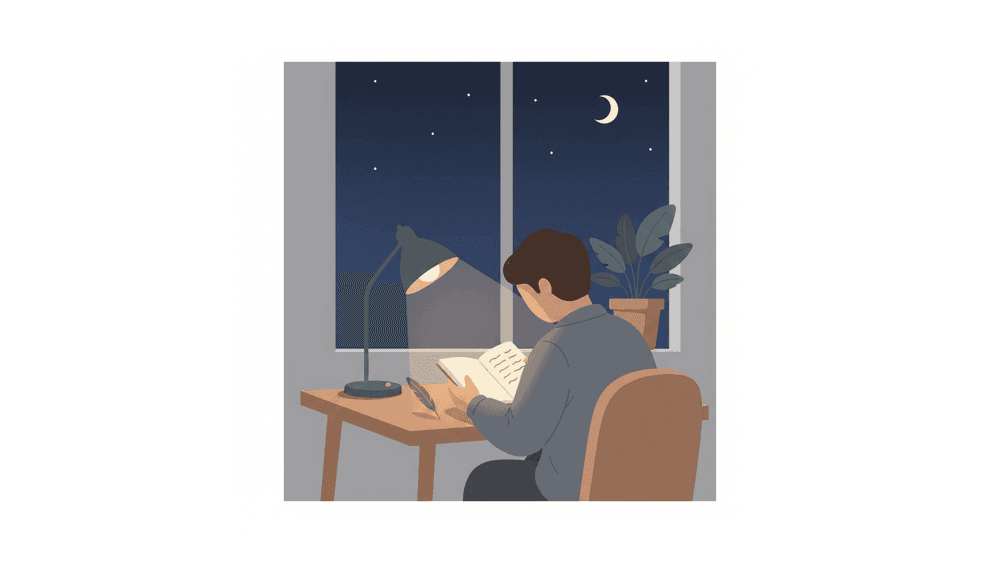
Anonymous writing is exactly what it sounds like—expressing thoughts, emotions, and experiences without attaching your real name or identity. In today’s connected world, this form of expression has become increasingly valuable. People are more visible than ever, yet many feel emotionally silenced.
The fear of being judged, misunderstood, or labeled often prevents honest expression. Anonymous writing removes that fear. When your name disappears, so does the pressure to perform, impress, or explain yourself. What remains is truth.
Anonymous writing doesn’t mean hiding with harmful intent. It means creating a safe emotional distance between your identity and your feelings. This distance allows honesty to surface naturally, without filters or self-censorship.
Many people grow up learning to suppress emotions. Society often rewards strength and punishes vulnerability. Anonymous platforms counter this by allowing people to speak freely without consequences tied to reputation, work, or relationships.
Writing has long been recognized as a powerful mental health tool. When anonymity is added, its impact often deepens.
Putting emotions into words helps release internal pressure. Writing anonymously allows individuals to unload fears, anger, sadness, or confusion without worrying about how it sounds. This release can significantly reduce emotional stress.
Thoughts can feel overwhelming when trapped in the mind. Writing organizes them. Anonymous writing encourages clarity, helping people understand what they feel and why they feel it.
This is where How Anonymous Writing Can Improve Mental Health becomes more than a concept—it becomes a lived experience.
Anxiety thrives on suppression. When emotions are ignored, they grow louder. Anonymous writing provides a pressure-free outlet, allowing anxious thoughts to be acknowledged rather than avoided.
Without a name attached, people write more honestly. There’s no need to appear “strong” or “put together.” This honesty is often the first step toward healing.
Research in psychology shows that expressive writing improves emotional regulation, reduces depressive symptoms, and enhances self-awareness.
Writing activates areas of the brain responsible for reasoning and reflection. This helps transform emotional chaos into manageable understanding.
While it doesn’t replace professional therapy, anonymous writing complements it. Many therapists even recommend journaling as a way to process emotions between sessions.
Traditional journaling is helpful, but anonymous digital writing offers unique advantages.
Knowing that no one knows who you are removes internal censorship. You don’t write for your future self—you write for your present truth.
One surprising benefit is connection. Reading others’ anonymous stories reminds us that we’re not alone.
Shared vulnerability builds quiet community. You may never know who wrote a story, but you recognize the feeling—and that recognition heals.
Platforms like Unlone – Safe Storytelling exist for this exact purpose. Unlone provides a secure, judgment-free space where users can express emotions openly.
Unlone allows people to write what they can’t say elsewhere. Whether it’s anxiety, heartbreak, or self-growth, the platform prioritizes emotional safety over visibility. You can explore more about safe emotional expression through platforms that value privacy, such as Unlone’s approach to storytelling.
People use anonymous writing during breakups, life transitions, grief, and self-discovery. Writing becomes a mirror—reflecting truth without distortion.
Anonymous writing should always be used responsibly. It’s about expression, not harm. Respecting boundaries ensures the space remains safe for everyone.
1. Is anonymous writing actually helpful for mental health?
Yes. It encourages honest emotional release without fear of judgment.
2. Can anonymous writing replace therapy?
No, but it can strongly support emotional processing alongside therapy.
3. Why does anonymity make people more honest?
Because it removes social consequences and fear of exposure.
4. Is it safe to share emotions anonymously online?
On trusted platforms with privacy safeguards, yes.
5. How often should someone write anonymously?
As often as needed—daily, weekly, or during emotional overwhelm.
6. Who benefits most from anonymous writing?
Anyone struggling with unspoken emotions, anxiety, or self-reflection.
How Anonymous Writing Can Improve Mental Health is rooted in one simple truth: honesty heals. When fear is removed, clarity appears. Writing anonymously allows people to acknowledge their truth safely—and sometimes, that quiet courage is where healing truly begins.